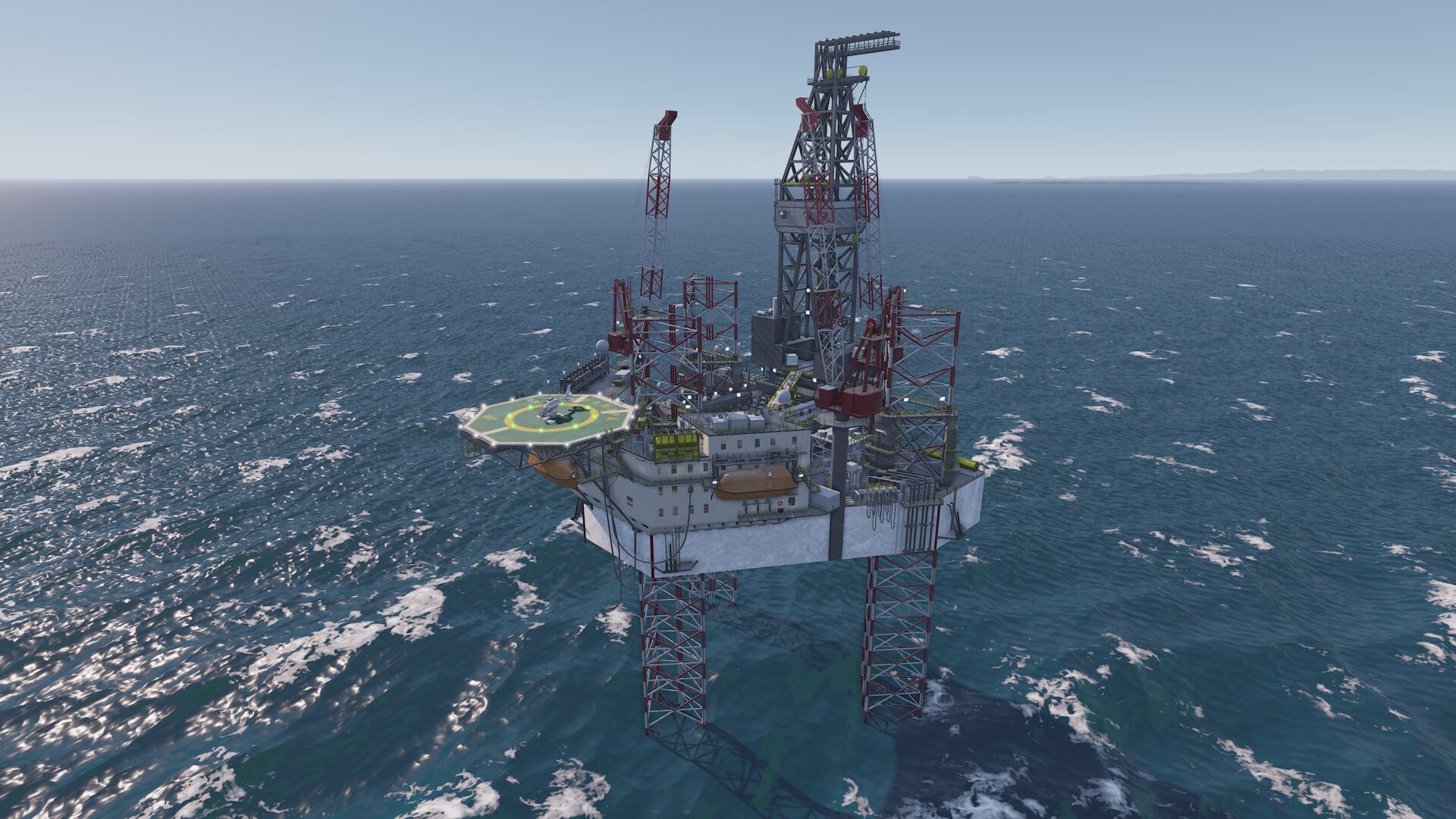
Summer is one of the most demanding seasons for offshore helicopter operations. Higher temperatures, rapidly changing weather, and increased offshore activity create challenging conditions that require highly trained crews. As offshore operations expand—from traditional oil & gas to offshore wind—pilots must be prepared to perform precise helideck approaches, manage reduced aircraft performance, and make critical decisions under pressure. Modern flight simulation provides a safe and controlled environment to develop these skills before facing real-world missions.
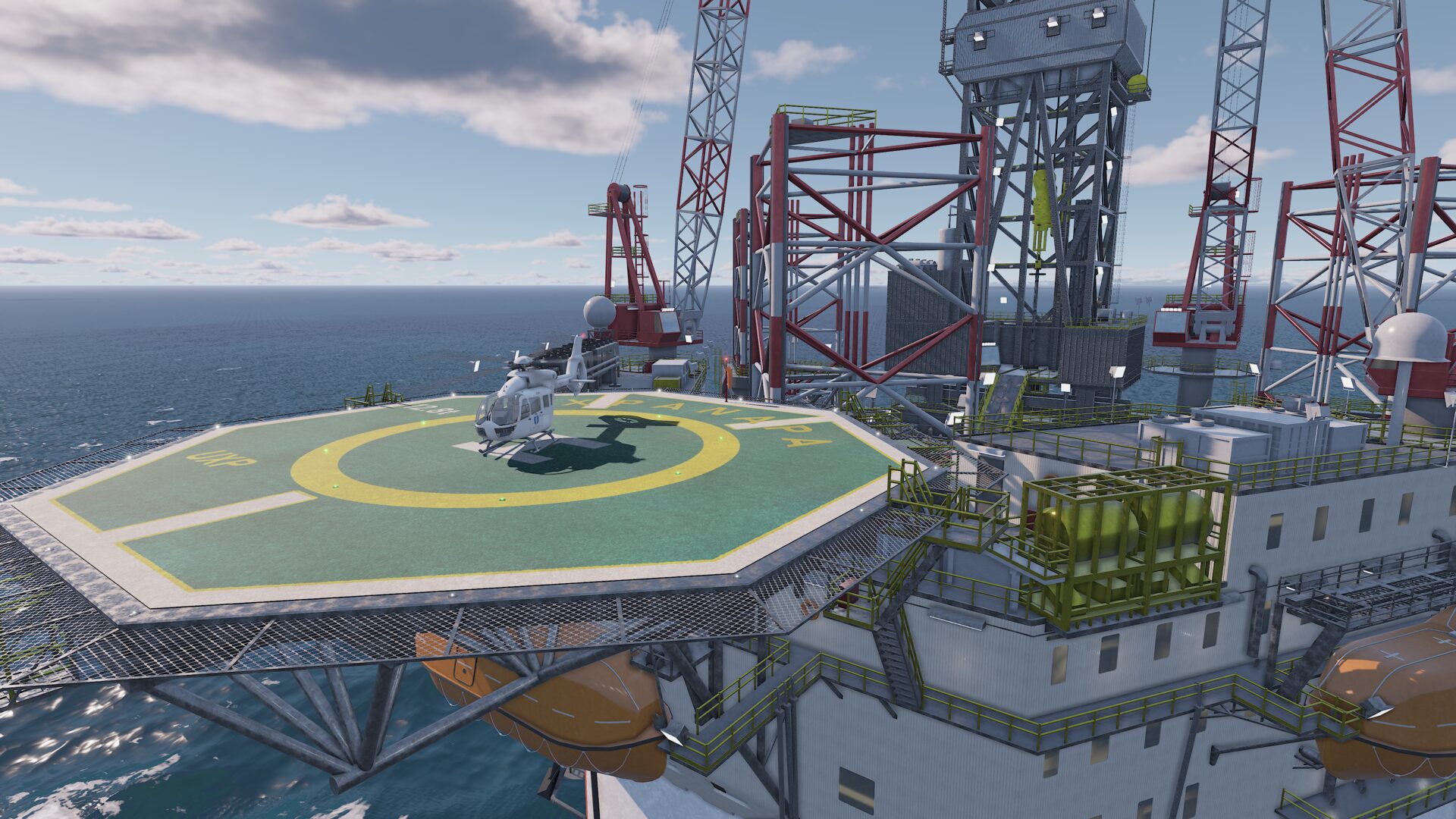
Why offshore helicopter training becomes more demanding during summer
Offshore transport never stops, but summer introduces additional operational variables that directly affect flight safety and mission complexity.
High temperatures affect aircraft performance
As temperatures increase, helicopter performance naturally decreases. Higher-density altitude reduces engine efficiency and lift, requiring pilots to carefully manage power margins during take-off, approach, hover, and landing.
These conditions become even more critical when operating from offshore platforms, where available landing space is extremely limited and precision is essential.
Training under simulated high-temperature conditions allows crews to understand these performance limitations before experiencing them during real operations, making high-temperature flight simulation an essential part of modern pilot training.
Rapidly changing weather conditions
Summer weather offshore can change within minutes. Strong winds, thunderstorms, reduced visibility, heavy rain, and turbulence may appear during a single mission.
Pilots must continuously evaluate weather evolution, adapt their flight path, and make safe operational decisions while maintaining full situational awareness.
These situations are difficult—or impossible—to recreate safely during live flight training, making simulation an essential training resource.
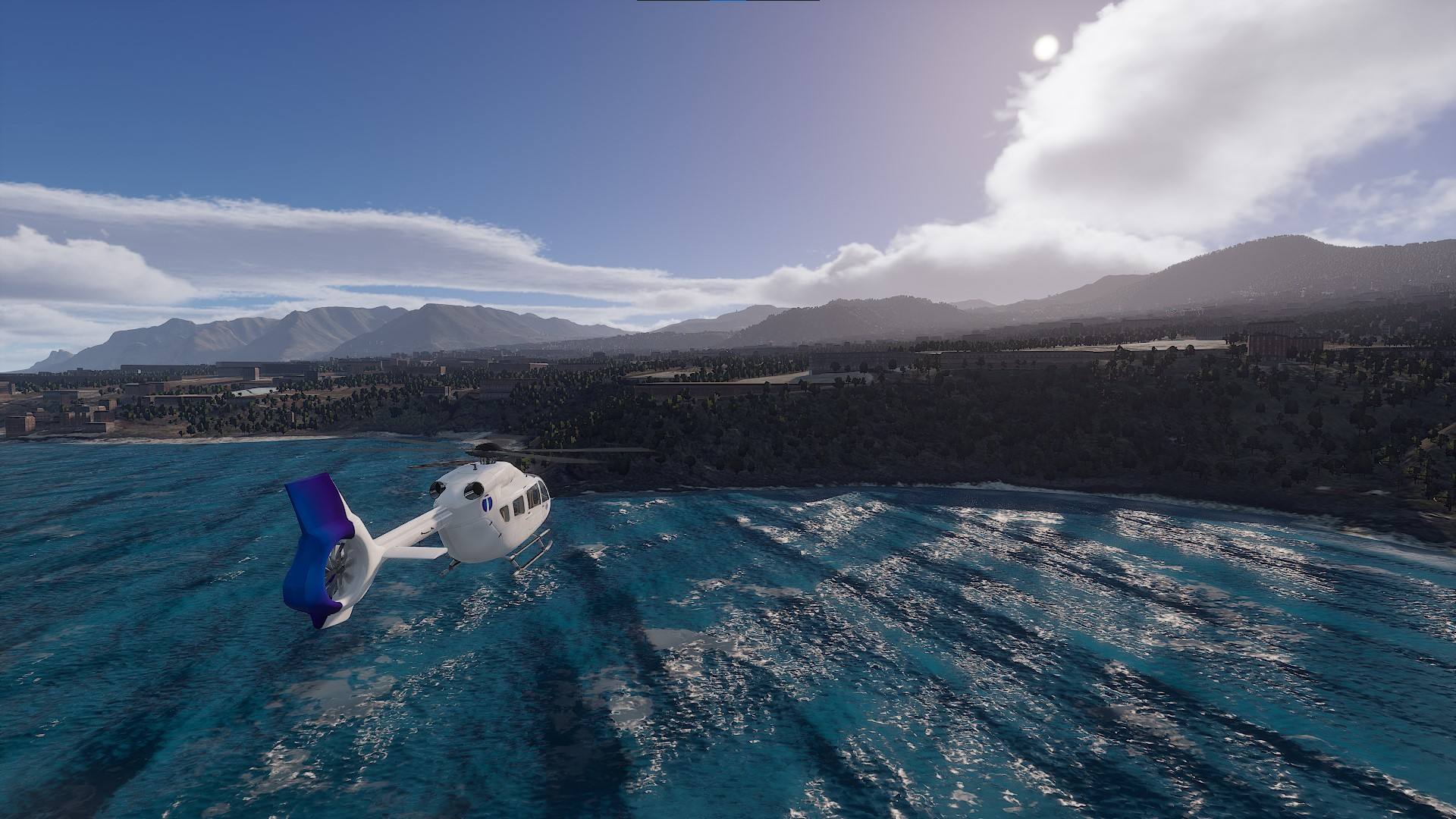
The importance of realistic helideck landing training
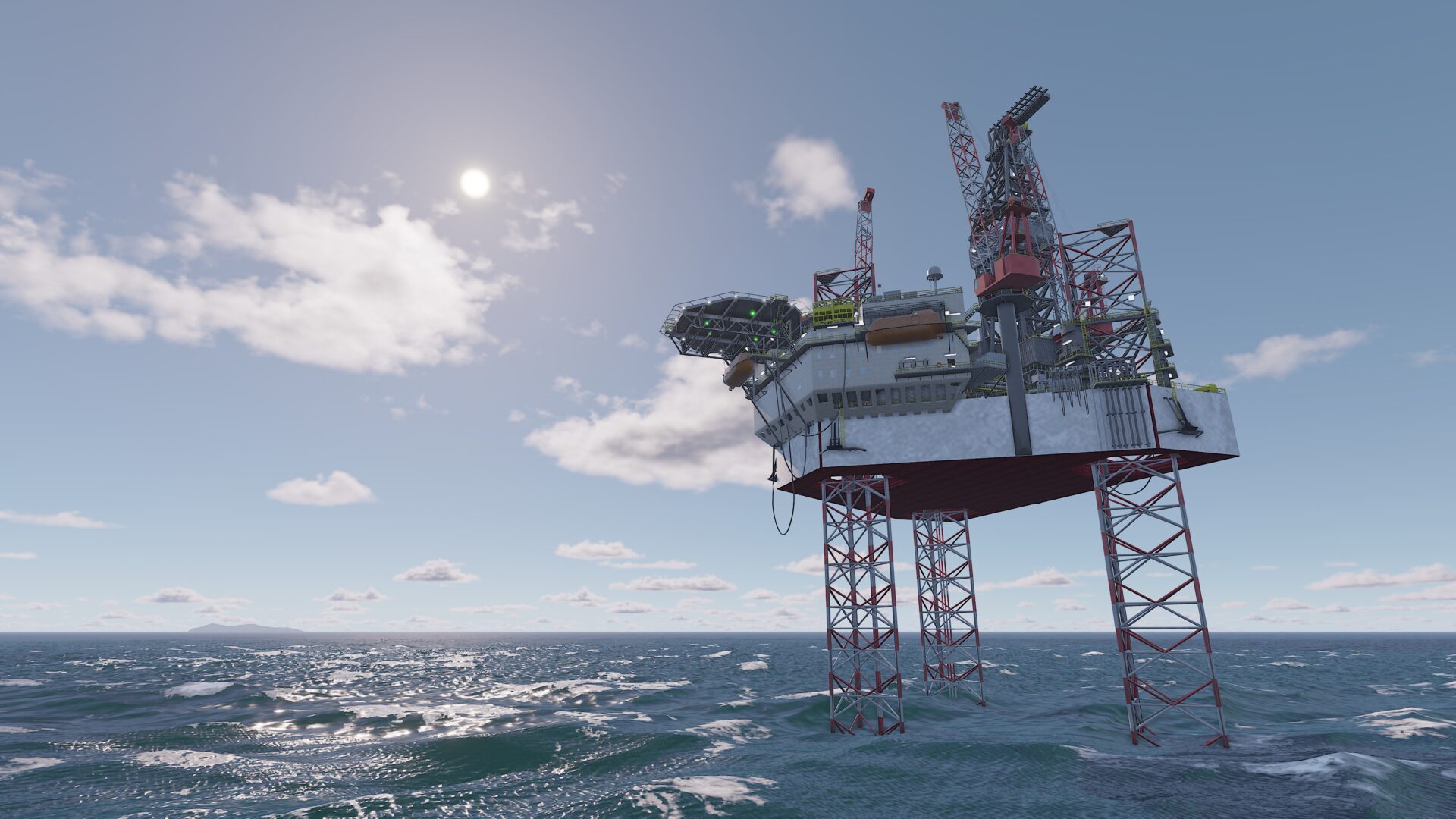
Landing on an offshore platform is one of the most demanding phases of any offshore mission.
Precision under constantly changing conditions
Unlike conventional airports, helidecks offer very limited space for maneuvering. Pilots must compensate for crosswinds, vessel movement, visual references, and changing environmental conditions while maintaining stable aircraft control.
An offshore helicopter simulator allows instructors to recreate different platform layouts, weather conditions, sea states, and operational scenarios, enabling crews to practice challenging approaches repeatedly until procedures become second nature.
Training with realistic sea conditions
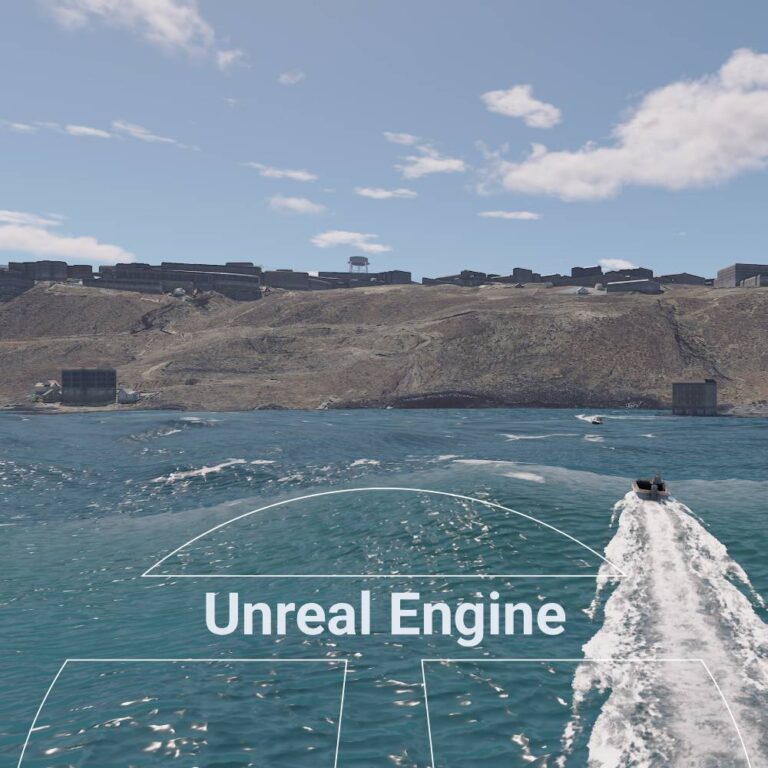
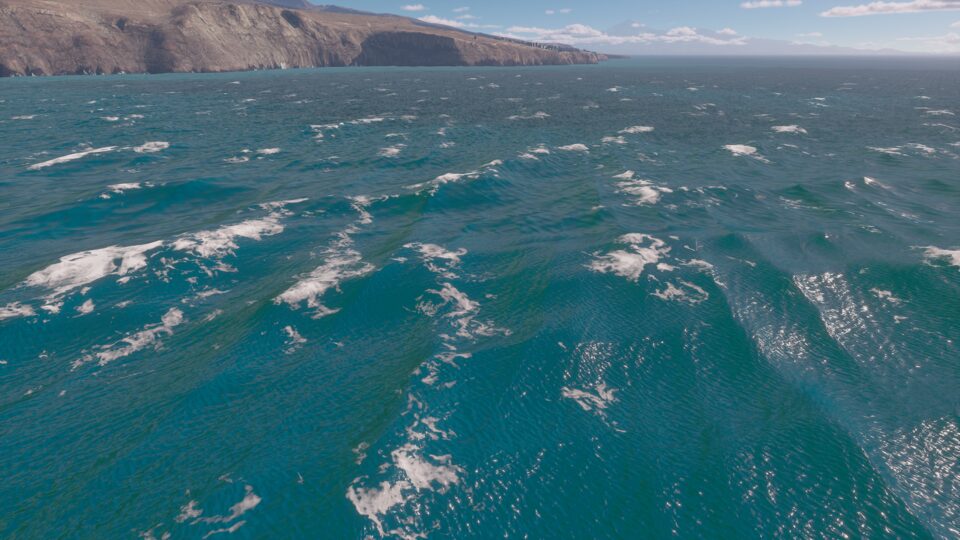
Sea conditions play a critical role during offshore operations, particularly when approaching vessels or offshore platforms. Our advanced offshore simulators can recreate different sea states based on the Douglas Sea State Scale, allowing pilots to experience how changing wave conditions affect visual references, aircraft handling, and landing procedures.
Using 3D Water simulation, instructors can modify wave height and sea conditions to create increasingly demanding scenarios. This enables crews to practice helideck approaches in a more immersive environment while improving decision-making and operational confidence before facing real offshore missions.
Training beyond aircraft handling
Successful offshore operations depend on much more than flying skills
Crew Resource Management makes the difference
Effective Crew Resource Management (CRM) is fundamental during offshore missions. Pilots, co-pilots, hoist operators, medical personnel, or other crew members must communicate clearly while managing a constantly evolving operational environment.
Flight simulation allows crews to train these communication and coordination procedures together, improving workload management, decision-making, and situational awareness during high-pressure scenarios.
Practicing complete missions as a team helps develop standardized procedures that translate directly into safer real-world operations.
How high-temperature flight simulation improves offshore helicopter training
Modern simulation technology allows instructors to reproduce environmental conditions that significantly affect offshore operations.
Recreating realistic environmental conditions
Flight simulators allow instructors to recreate a wide range of offshore mission profiles, from routine platform approaches to complex operational situations. Training in these controlled scenarios helps crews strengthen situational awareness, improve aircraft handling, and build the confidence required for demanding offshore operations.
Repeating critical scenarios without operational risk
Unlike live flight training, simulation allows critical scenarios to be repeated as many times as necessary without exposing crews, aircraft, or infrastructure to unnecessary risk. This repetitive approach helps pilots refine procedures, improve emergency response, and standardize decision-making while reducing operational costs.
Building safer offshore operations through simulation
As offshore operations continue to evolve, investing in advanced offshore helicopter training is becoming increasingly important for operators. At entrol, we develop high-fidelity flight simulators that recreate realistic offshore scenarios, helping crews improve decision-making, enhance mission readiness, and prepare safely for the most demanding operations.